Why Pickleball Attracts Players of All Ages and Skill Levels
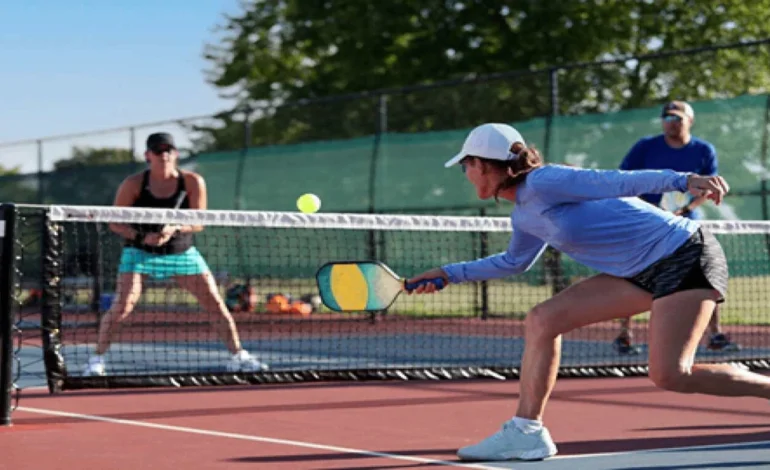

Try stepping onto a pickleball court at any local park, and you’ll see a rare sight: teenagers and retirees, beginners and seasoned players, all sharing laughs over a fast-paced rally. There’s a reason this sport has quickly leaped from obscurity to one of North America’s fastest-growing pastimes, drawing crowds that span generations.
The Challenge of Finding Inclusive and Engaging Sports Activities
Most of us have felt it: the struggle to find a recreational activity that feels welcoming, not intimidating. Traditional sports often fall into rigid categories, unintentionally sidelining people based on age or skill.
Why Do Many Traditional Sports Exclude Certain Age Groups and Skill Levels?
Soccer, basketball, and tennis can require intense athleticism, technical know-how, and, often, years of practice. For young children, they can be overwhelming; for older adults, they may be downright risky. Competitive leagues sometimes discourage newcomers, and casual drop-in games may lack structure, making it hard for beginners to feel comfortable.
Why Do We Need Accessible, Social, and Health-Boosting Activities?
Busy lives and shifting demographics mean communities need activities that are easy to join, easy on the body, and good for the mind. People want a reason to play, not just compete, and to meet others as much as to break a sweat. That’s where pickleball comes into its own.
How Does Pickleball Bridge the Gap for All Players?
Pickleball delivers on the promise of inclusion in ways that most sports only aspire to.
Simple Rules and a Quick Learning Curve
Anyone with a basic sense of ball games can pick up the rules in minutes. The court is smaller, the paddles are lightweight, and the underhand serve levels the playing field. Newcomers don’t have to study a playbook; a few practice swings and they’re in the game.
Adaptability to Different Skill Levels and Ages
Unlike many racquet sports, pickleball’s pace and style can shift on the fly. Whether you’re playing a friendly family match or a competitive doubles showdown, games can be adjusted for speed, strategy, or fun. Younger players might test their quick reflexes, but older participants can rely on placement and finesse without risking injury.
Social Interaction and Community Building on the Court
Because games are quick and played in close quarters, conversation comes naturally. Players rotate in, cheer one another on, and often stay after matches to chat. The sport’s culture is inherently welcoming, making it easy for solo players to find partners and for families to play together.
Physical and Mental Benefits That Appeal Across Generations
Pickleball’s broad appeal isn’t just about accessibility. The health benefits run deep, touching all ages.
Low-Impact Exercise Suitable for Older Adults
Joints and knees take less strain on the smaller court with lighter equipment. Movement is brisk but not punishing, so older adults can stay active and mobile without the fear of overexertion.
Cardiovascular and Coordination Gains for Younger Players
Young players get the thrill of fast action, hand-eye coordination drills, and a workout that keeps them engaged. The constant back-and-forth builds stamina and agility without the grind of a standard gym routine.
Mental Stimulation and Stress Relief Through Play
The quick decision-making required in pickleball sharpens focus and keeps minds alert at any age. Add the camaraderie and laughter, and you have a powerful stress buster that’s hard to match.
The Growing Popularity of Pickleball in Urban Communities
Montreal’s thriving West-End Cavendish Pickleball community is proof that the sport fills a genuine need. Outdoor courts, group classes, and drop-in sessions are bringing together neighbours who might never have crossed paths.
The Role of Accessible Outdoor Courts and Classes
When courts are offered with membership, as they are at West-End Cavendish, barriers drop away. People of all ages see the courts as community spaces to try something new, not exclusive clubs for experts.
How Local Programs Encourage Family and Multi-Generational Participation
Family nights, beginner clinics, and open-play times turn pickleball into a social event. Parents introduce their children, grandparents join the fun, and all share a sense of belonging that few other sports foster so naturally.
Overcoming Barriers to Entry: What Makes Pickleball So Approachable?
Minimal rules, minimal gear, and maximum encouragement are the recipe for pickleball’s unique accessibility.
Minimal Equipment and Space Requirements
You need only a paddle, a ball, and a pair of comfortable shoes. Compared to the cost and complexity of other sports, this makes starting up painless.
Supportive Environments for Beginners and Competitive Players
Pickleball’s culture prizes improvement, not just victory. Beginners are welcomed, while competitive players have plenty of chances to test their skills. That balance is rare and part of the sport’s magic.
Taking Action: How to Get Started with Pickleball Today
Curious where to begin? Search for local community centers, parks, or recreational clubs with open courts. Many offer free introductory sessions or affordable memberships. Signing up for classes helps you build skills and confidence quickly, while joining group play is the fastest route to new friends.
For first-timers, the best advice is simple: show up, watch a few games, and don’t hesitate to ask for tips. Players are usually eager to welcome newcomers and share their love for the game.
The Future of Pickleball: Expanding Access and Community Impact
Innovations in court design, creative programming, and inclusive culture are setting the stage for pickleball to redefine what recreational sports can be. Cities are incorporating multi-use courts into new parks, and leagues are cropping up everywhere. As more people discover the game, pickleball stands to become a lifelong companion for physical activity and social connection, uniting neighbours and generations in a way few sports ever have.