Looking for Oral Cancer Treatment in Mumbai? Here’s What You Need to Know

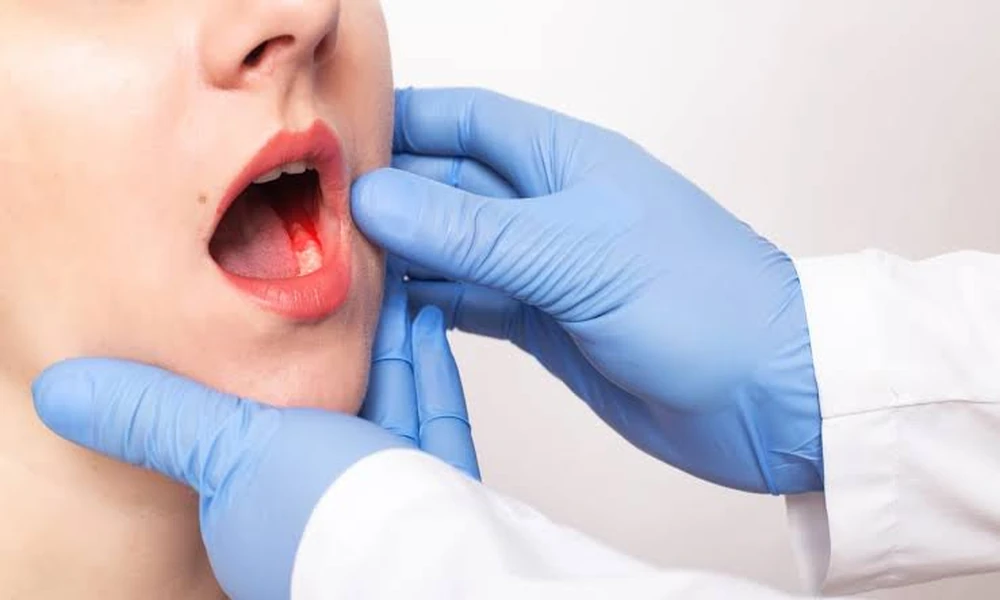
A persistent mouth ulcer that won’t heal after two weeks is easy to dismiss, most of us have had one that eventually went away on its own. But when it doesn’t, when it lingers, changes shape, or comes with pain that wasn’t there before, that’s exactly the kind of symptom that shouldn’t be waited out. Oral cancer is one of the more common cancers in India, closely linked to tobacco and areca nut use, and catching it early makes a genuine difference in outcomes.
If you’re trying to understand Looking for Oral Cancer Treatment in Mumbai?, here’s what the process actually involves.
What Oral Cancer Actually Affects
Oral cancer typically develops in the tongue, gums, inner cheeks, or floor of the mouth. It often starts small, a sore, a white or red patch, a lump that doesn’t go away, and can progress to affect speech, chewing, and swallowing if left untreated. Tobacco, alcohol, and certain viral infections are the most established risk factors, though anyone with a persistent, unexplained change in the mouth should get it evaluated regardless of lifestyle history.
Early Signs Worth Taking Seriously
- A mouth sore or ulcer that hasn’t healed within two to three weeks
- A lump, thickened patch, or rough area inside the cheek or on the tongue
- Persistent pain or difficulty chewing, swallowing, or moving the tongue
- Unexplained numbness or a change in voice
- White or red patches inside the mouth that don’t resolve
None of these automatically mean cancer, but they’re reason enough for a prompt evaluation rather than a wait-and-see approach.
How Diagnosis Typically Works
A specialist will usually begin with a thorough physical examination of the mouth, throat, and neck, followed by a biopsy if a suspicious area is identified. Imaging, such as a CT or MRI scan, helps determine the extent of the tumour and whether it has spread to nearby lymph nodes. This staging process is what actually shapes the treatment plan that follows, since oral cancer at an early stage is treated very differently from one that’s advanced.
What Treatment Actually Involves
Modern oral cancer treatment aims to remove the cancer while preserving as much function, speech, chewing, swallowing, as possible. Depending on the stage and location, this typically includes:
Tumour resection, removing the cancerous tissue along with a margin of healthy tissue to reduce recurrence risk. Depending on where the cancer is located, this might involve a partial glossectomy for tongue cancer or a wide local excision for cancer of the buccal mucosa (the inner cheek lining).
Neck dissection, when there’s evidence the cancer has spread to nearby lymph nodes, ranging from a more limited selective dissection to a more extensive procedure depending on how far it’s progressed.
Reconstructive surgery, using microsurgical flaps to restore both function and appearance after tumour removal, an increasingly important part of care that goes beyond simply removing the cancer.
Radiation or chemotherapy, used either alongside surgery to reduce recurrence risk or, in select cases, as a standalone treatment when surgery isn’t the right fit.
Rehabilitation, including speech therapy and dietary counselling, to support recovery of function after treatment.
Why Choosing the Right Specialist Matters
Oral cancer surgery is technically demanding, poor margin control or inadequate reconstruction can affect both cancer outcomes and quality of life afterward. This is why choosing an experienced Oral Cancer Doctor in Mumbai, such as Dr. Amit Chakraborty, who works within a multidisciplinary team, surgeons, radiation oncologists, and rehabilitation specialists coordinating together, tends to produce more consistent results than a fragmented approach across separate providers.
If the cancer is specifically located in the tongue or the inner cheek lining, it’s worth knowing these are treated somewhat differently: tongue cancer often requires careful nerve-sparing techniques to preserve speech, while buccal mucosa cancer treatment focuses on wide local excision with attention to jaw and cheek function. A specialist experienced across these specific subtypes, rather than oral cancer treated as one generic diagnosis, generally means a more tailored plan.
What Recovery Typically Looks Like
Most patients require a few days of close monitoring in hospital following surgery, with regular follow-ups to check healing and catch any early signs of recurrence. Speech and swallowing rehabilitation often continues for weeks afterward, and a soft or liquid diet is usually recommended during the initial recovery period. Recovery timelines vary considerably depending on the extent of surgery and whether reconstruction was involved.
FAQs
What’s the first sign of oral cancer people usually notice?
A mouth ulcer or sore that doesn’t heal within two to three weeks is one of the most common early signs, though a lump, patch, or persistent pain in the mouth can also be an early indicator worth having checked.
Is oral cancer curable if caught early?
Yes, early-stage oral cancer generally has a good prognosis with appropriate surgical treatment, which is part of why prompt evaluation of persistent symptoms matters so much.
Does oral cancer treatment always involve surgery?
Surgery is the primary treatment for most oral cancers, often combined with radiation or chemotherapy depending on the stage. In select advanced cases, non-surgical approaches may be used instead.
How long does recovery from oral cancer surgery take?
Initial hospital monitoring is typically a few days, but full recovery, including speech and swallowing rehabilitation, can take several weeks to months depending on the extent of the surgery.
Can oral cancer come back after treatment?
Recurrence is possible, which is why regular follow-up visits after treatment are an essential part of long-term care, allowing any recurrence to be caught and addressed early.