Could Sleep Apnea Treatment in Saint John Improve Your Rest?
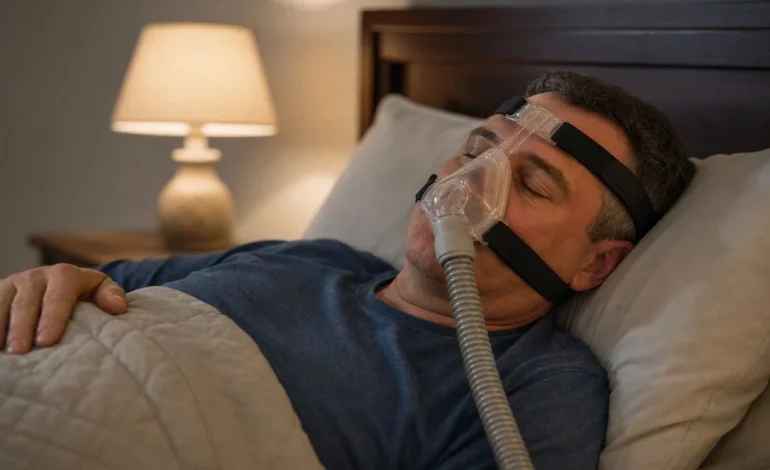

Sleep apnea treatment equipment
Are you having difficulty sleeping well or are you being told you could be experiencing sleep apnea? If so, you’re not alone.
Signs That Point to Sleep Apnea
Signs of sleep apnea in Saint John may include:
- feeling fatigued throughout the day
- excessive or very loud snoring, choking sounds
- a partner telling you that they’ve seen you stop breathing while asleep
- waking with a headache
- a quickened heart rate upon waking
- unexplained waking during the night
Sleep apnea is characterized by frequent cessations or reductions in breathing during sleep. Each time this happens, oxygen levels in the body dip, prompting the sufferer to unconsciously wake up, even if just briefly, to begin breathing normally.
Over time, untreated sleep apnea can contribute to concentration problems (at work, while driving, etc. – read here), high blood pressure, mood problems, and stress on the heart and other aspects of the body.
Treatment Options for Different Needs
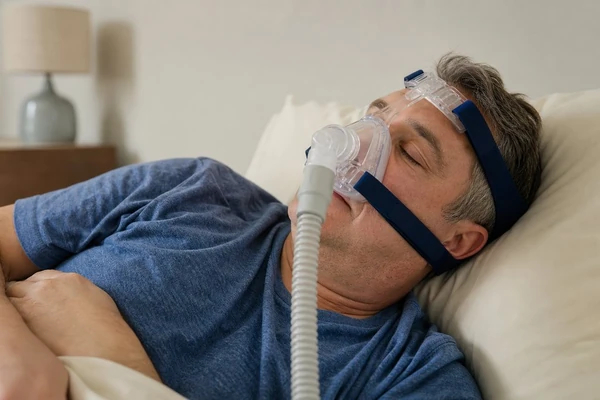
Sleep apnea therapy device
Treatment options vary depending on the type and severity of apnea and can include:
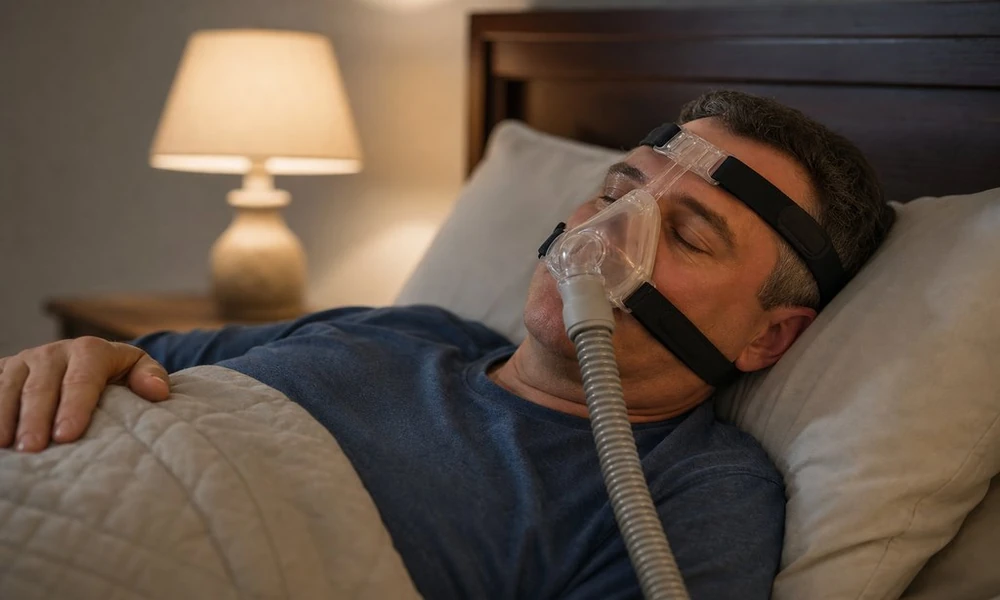
- Positive airway pressure (AP) therapy: AP therapy utilizes a mask and a device that blows continuous, gentle, pressurized air that helps to prevent the soft tissues in your throat from collapsing. Most patients tolerate the therapy very well; however, some find it difficult to relax while experiencing the feeling of air blowing into their nose and/or mouth. For those who have difficulty relaxing during AP, changing the type of mask, adjusting the amount of humidity, or altering the amount of pressure may help; the sleep clinic Saint John page from East Coast Sleep covers the local route.
- Oral appliance therapy: In some cases of obstructive sleep apnea (look at www.nhlbi.nih.gov/health/sleep-apnea if you want numbers), typically milder cases, an oral device can help to treat symptoms. These may be options if AP therapy is not appropriate or if you’ve been unable to adjust to this type of therapy. The devices are custom-fitted by qualified dental or medical professionals to fit into the mouth. They can help by pulling the lower jaw slightly forward, creating more space for air to move freely. Before an oral device can be made, your sleep care professional will need to examine your jaw and make sure that your teeth, gums, jaw, and any existing dental work are healthy and can tolerate a device.
- Lifestyle changes: In some cases, simple lifestyle changes may help to minimize symptoms of apnea, particularly when paired with another form of treatment. Changes that could be helpful might include losing excess weight, cutting back on drinking before bed, avoiding sedatives (except those prescribed for apnea), addressing nasal congestion, and (in the case of apnea that only happens when sleeping on one’s back) training oneself to sleep in other positions.
- Surgery: This option is limited to certain conditions and is usually only an option when other forms of treatment have been ineffective.
What Makes Treatment Sustainable?
The key to managing sleep apnea is finding a treatment that works for you and sticking with it. If you’ve been experiencing symptoms of apnea and have been receiving care, you’ve taken the first step toward feeling and being healthier. Now it’s important to make sure your treatment is working and continue with it as prescribed. Here are a few pointers for coping with treatment for sleep apnea in Saint John.
Practical Ways to Adjust to Therapy
- Acknowledge that you may not find a quick-fix. Instead, concentrate on finding a treatment that works and wearing it regularly. Treatment is most effective when used regularly, not sporadically.
- Understand that you may face difficulties at first. Some patients find it difficult to adjust to sleeping while feeling air being blown into their noses. Other patients’ noses and mouths can become quite dry during AP. Leaky masks can also pose a problem. Remember, the goal of the mask is to make sure enough pressurized air reaches your airway to treat apnea; a mask that’s too tight may leave marks on the face, but will still leak. Masks that aren’t tight enough will also leak and may not deliver enough air. Your health care provider will address mask tightness, check your AP machine settings, and discuss ways to help during follow-up appointments.
- Be proactive in finding ways to make AP easier. Try wearing it while you’re awake, putting it on before you’re too tired, follow instructions for cleaning, call your sleep care professional right away if you’re having problems, pay attention to any changes, etc.
Follow-Up and Ongoing Adjustments
- During follow-up visits, your sleep care professional will check how well your AP therapy is working, ensure that the mask isn’t leaking, and may change your machine’s airflow settings.
- If you’re using an oral device to manage apnea, report any soreness, tooth movement, or bite changes at follow-up appointments.
- Follow-up appointments are crucial. It’s important to give yourself time to see improvements after you’ve started a new apnea treatment. However, if you’re still feeling tired after treatment has begun, speak to your sleep care professional. He/she will want to make sure you’ve been using your treatment as prescribed, discuss how much and how well you’ve been sleeping, consider whether or not the mask or oral appliance fits properly, and discuss possible reasons for persistent fatigue (insomnia, restless legs symptoms, other medical conditions, medications, etc.).