



How Asbestos Exposure Leads to Cancer
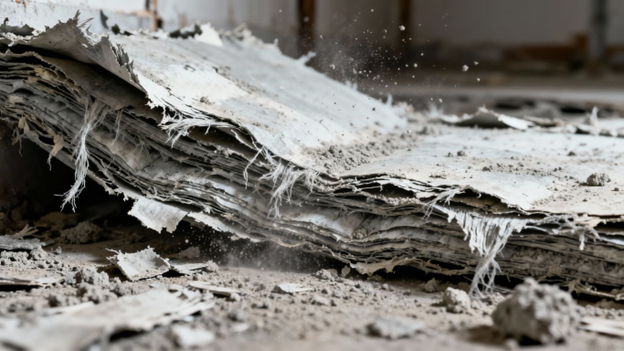
Asbestos, a group of naturally occurring minerals, was once widely used in construction and manufacturing due to its heat resistance and insulating properties. However, when asbestos-containing materials are disturbed, tiny fibers can become airborne and inhaled or ingested. These microscopic fibers are durable and can lodge themselves deep within the body, particularly in the lungs, pleura (lining of the lungs), and peritoneum (lining of the abdomen). Over time, these fibers can cause chronic inflammation and cellular damage. The body’s attempts to remove these foreign bodies can lead to genetic mutations in cells. These mutations can eventually cause healthy cells to grow uncontrollably, forming cancerous tumors. The specific type of cancer that develops often depends on where the asbestos fibers settle.
Latency Period of Asbestos-Related Cancers
One of the most challenging aspects of asbestos-related diseases is the significant latency period between initial exposure and the onset of symptoms. This period can range from 10 to over 50 years. During this time, the asbestos fibers are silently causing damage and the cancer is developing. This long delay means that individuals who were exposed decades ago, perhaps during past employment in industries like shipbuilding, mining, or construction, may only now be showing signs of illness. The prolonged latency is due to the slow-acting nature of the cellular damage and the body’s gradual response to the persistent presence of asbestos fibers.
Factors Influencing Asbestos Cancer Development
Several factors can influence whether an individual exposed to asbestos will develop cancer and how quickly it might progress. These include:
- Duration and Intensity of Exposure: The longer someone was exposed to asbestos and the higher the concentration of fibers in the air, the greater the risk.
- Type of Asbestos Fiber: Different types of asbestos fibers (e.g., chrysotile, amosite, crocidolite) may have varying degrees of carcinogenicity.
- Individual Susceptibility: Genetic factors and a person’s overall health can play a role in how their body responds to asbestos exposure.
- Smoking Habits: Smoking significantly multiplies the risk of developing lung cancer in individuals exposed to asbestos. The combination of asbestos exposure and smoking is particularly dangerous.
Recognizing Asbestos Cancer Symptoms
It can be tough to spot asbestos-related cancers early on because their symptoms often mimic those of more common illnesses. This overlap can sometimes delay diagnosis, which is why it’s important to be aware of potential signs, especially if you have a history of asbestos exposure. Paying attention to persistent or worsening symptoms is key.
Early Warning Signs of Asbestos Cancer
Sometimes, the first signs are subtle and might not seem alarming. However, if they stick around or get worse, it’s worth getting them checked out. These can include:
- A persistent cough that doesn’t go away.
- Shortness of breath, even with light activity.
- Unexplained chest pain.
- Unexplained weight loss.
- Fatigue or feeling unusually tired.
Common Symptoms of Mesothelioma
Mesothelioma, a cancer directly linked to asbestos fibers, often affects the lining of the lungs, abdomen, or heart. Symptoms can vary depending on where the cancer is located. For mesothelioma affecting the lungs, common signs include:
- Pain in the lower back or chest.
- Trouble breathing or a feeling of breathlessness.
- Swelling in the abdomen (if it affects the lining there).
- Sudden, unexplained weight loss.
- A persistent cough, sometimes with bloody mucus.
It’s important to note that these symptoms can be caused by many other conditions, so a doctor’s evaluation is necessary for a proper diagnosis. If you’re concerned about potential exposure, discussing your history with a medical professional is a good first step. They can help assess your risk and guide you on the next steps, which might involve further tests to rule out or confirm any issues. Early detection is vital for conditions like mesothelioma.
Symptoms of Lung Cancer Due to Asbestos
When asbestos exposure leads to lung cancer, the symptoms can be very similar to those of mesothelioma affecting the lungs, as well as general lung cancer symptoms. These include:
- A new cough that doesn’t stop.
- Coughing up blood.
- Shortness of breath.
- Wheezing.
- Chest pain, especially when breathing deeply or coughing.
- Hoarseness.
- Frequent lung infections, like bronchitis or pneumonia.
Recognizing these signs and seeking medical advice promptly is important. A doctor will consider your medical history, including any potential asbestos exposure, when making a diagnosis.
Diagnostic Approaches for Asbestos Cancer
Figuring out if someone has cancer caused by asbestos isn’t always straightforward. It often takes a few different steps to get a clear picture. Doctors need to gather a lot of information to make an accurate diagnosis.
Medical History and Exposure Assessment
This is usually the first step. A doctor will ask detailed questions about your past work, hobbies, and where you’ve lived. They’re trying to pinpoint any potential exposure to asbestos. This might involve asking about:
- Jobs you’ve held, especially in construction, shipbuilding, or manufacturing.
- Any renovations or demolition projects you’ve been around.
- Living in older homes that might have had asbestos materials.
- Family members who worked with asbestos, as fibers can be carried home.
Understanding your history of exposure is key to suspecting an asbestos-related illness.
Imaging Techniques for Diagnosis
Once asbestos exposure is suspected, doctors use imaging tests to look for physical signs of cancer in the body. These tests help them see what’s going on inside.
- X-rays: These can show changes in the lungs, like fluid buildup or thickening of the lung lining, which can be signs of mesothelioma or lung cancer.
- CT Scans (Computed Tomography): CT scans provide more detailed images than X-rays. They can help identify tumors, their size, and whether they have spread to nearby areas.
- MRI Scans (Magnetic Resonance Imaging): MRIs use magnets to create detailed images, particularly useful for looking at soft tissues and determining the extent of a tumor.
- PET Scans (Positron Emission Tomography): PET scans can help detect cancer cells by showing areas of high metabolic activity, which often indicates cancer.
Biopsy and Pathological Examination
While imaging can suggest cancer, a definitive diagnosis usually requires a biopsy. This involves taking a small sample of suspicious tissue to be examined under a microscope by a pathologist. The type of biopsy depends on where the suspected cancer is located:
- Needle Biopsy: A thin needle is used to extract tissue or fluid.
- Endoscopic Biopsy: A flexible tube with a camera and tools is inserted into the body (e.g., bronchoscopy for lung tissue).
- Surgical Biopsy: This is a more involved procedure where a surgeon removes a piece of tissue or an entire tumor. It can be done through small incisions (minimally invasive) or a larger opening.
The pathologist then analyzes the cells to confirm the presence of cancer and determine its specific type, which is important for planning treatment. This pathological examination is the gold standard for diagnosis.
Treatment Modalities for Asbestos Cancer
When dealing with cancers linked to asbestos exposure, like mesothelioma or lung cancer, treatment plans are put together carefully. Doctors consider the specific type of cancer, how far it has spread, and the patient’s overall health. The goal is usually to control the cancer’s growth, ease symptoms, and improve the person’s quality of life. It’s not a one-size-fits-all situation; each person gets a plan tailored just for them.
Surgical Interventions for Mesothelioma
For mesothelioma, surgery can sometimes be an option, especially if the cancer is caught early and hasn’t spread too much. The main idea behind surgery is to remove as much of the cancerous tissue as possible. This can be a big operation, and the type of surgery depends on where the cancer is and how extensive it is. Sometimes, the goal is to remove the lining of the chest or abdomen where the cancer is growing. It’s a serious step, and recovery takes time. Doctors will talk through all the risks and benefits before deciding if surgery is the right path for a patient. For some, it’s a key part of managing mesothelioma treatment options.
Chemotherapy and Radiation Therapy
Chemotherapy and radiation therapy are common tools used to fight asbestos-related cancers. Chemotherapy uses drugs to kill cancer cells throughout the body. These drugs can be given orally or through an IV. Radiation therapy, on the other hand, uses high-energy rays to target and destroy cancer cells in a specific area. Often, these two treatments are used together, or in combination with other therapies, to get the best results. They can be used before surgery to shrink tumors, after surgery to get rid of any remaining cancer cells, or as the main treatment if surgery isn’t possible. These methods are also standard for lung cancer caused by asbestos exposure.
Targeted Therapies and Immunotherapy
More recently, treatments like targeted therapy and immunotherapy have become important in managing asbestos-related cancers. Targeted therapies focus on specific changes in cancer cells that help them grow and survive. By targeting these specific pathways, these drugs can attack cancer cells while causing less harm to healthy cells. Immunotherapy works differently; it helps the body’s own immune system recognize and fight cancer cells. This approach can sometimes lead to long-lasting responses. These newer treatments are often used when traditional methods haven’t been as effective or in combination with them to provide a more robust attack against the disease.
Prognosis and Living with Asbestos Cancer
Figuring out what comes next after an asbestos-related cancer diagnosis can feel overwhelming. The prognosis, or the likely course of the disease, depends on a few things. It’s not a one-size-fits-all situation. Doctors look at the type of cancer, how far it has spread, and the patient’s overall health when making predictions. For mesothelioma, for instance, the average survival time can vary, and it’s important to remember these are just averages. Understanding these factors helps patients and their families prepare for the road ahead.
Factors Affecting Asbestos Cancer Prognosis
Several elements play a role in how a person’s asbestos cancer might progress. These include:
- Type of Cancer: Mesothelioma, lung cancer, and other cancers linked to asbestos have different typical outcomes.
- Stage at Diagnosis: Cancers found earlier, when they are smaller and haven’t spread, generally have a better outlook.
- Patient’s Health: A person’s age, general fitness, and presence of other health issues can influence treatment effectiveness and recovery.
- Response to Treatment: How well the cancer responds to therapies like surgery, chemotherapy, or radiation is a significant factor.
Managing Symptoms and Improving Quality of Life
Living with asbestos cancer means focusing on managing symptoms and making life as comfortable as possible. This often involves a team approach.
- Pain Management: Medications and other therapies can help control pain.
- Breathing Support: For lung-related symptoms, oxygen therapy or breathing exercises might be recommended.
- Nutritional Guidance: Maintaining good nutrition is important for energy and healing.
- Emotional Support: Dealing with a serious diagnosis can be tough. Talking to counselors or support groups can make a big difference.
Support Systems for Patients and Families
No one has to go through this alone. A strong support system is vital. This can include:
- Medical Team: Doctors, nurses, and specialists provide medical care and guidance.
- Family and Friends: Emotional and practical help from loved ones is invaluable.
- Patient Advocacy Groups: Organizations dedicated to asbestos-related diseases offer information and connect patients with resources. These groups can be a great source of information about mesothelioma treatment options.
- Mental Health Professionals: Therapists and counselors can help patients and families cope with the emotional challenges.